










































Recruiting talented professionals has become one of the most critical operational responsibilities for modern startups. Founders must balance rapid scaling, resource constraints, and high expectations for quality workforce performance. In this environment, hiring efficiency directly influences product development speed, investor confidence, and long term business stability. Many young companies attempt to manage recruitment manually, only to discover that fragmented workflows, inconsistent evaluation standards, and communication gaps slow down progress. A digital system designed to unify and automate the entire hiring pipeline can solve these challenges. This is where workable becomes an essential solution for emerging businesses seeking structure and reliability in their hiring approach. The purpose of this introduction is to explore the increasing importance of professional hiring platforms and to set the stage for a detailed analysis of how workable supports startups through organized and scalable recruitment processes.
The Need for Structured Hiring Systems in Startups
Startups operate under intense pressure to grow quickly while maintaining high standards of professionalism. Without a structured hiring system, recruitment frequently becomes disorganized, resulting in delays and poor candidate experiences. This section examines the critical need for integrated tools that allow founders to focus on performance instead of administrative complications. A centralized platform like workable helps eliminate operational friction by bringing candidate tracking, communication, and evaluation into one environment. This makes it easier for companies to hire efficiently, regardless of their size or stage of development. The presence of an organized workflow helps founders maintain consistency and transparency across all recruitment activities.
Understanding the Role of Workable in Recruitment Management
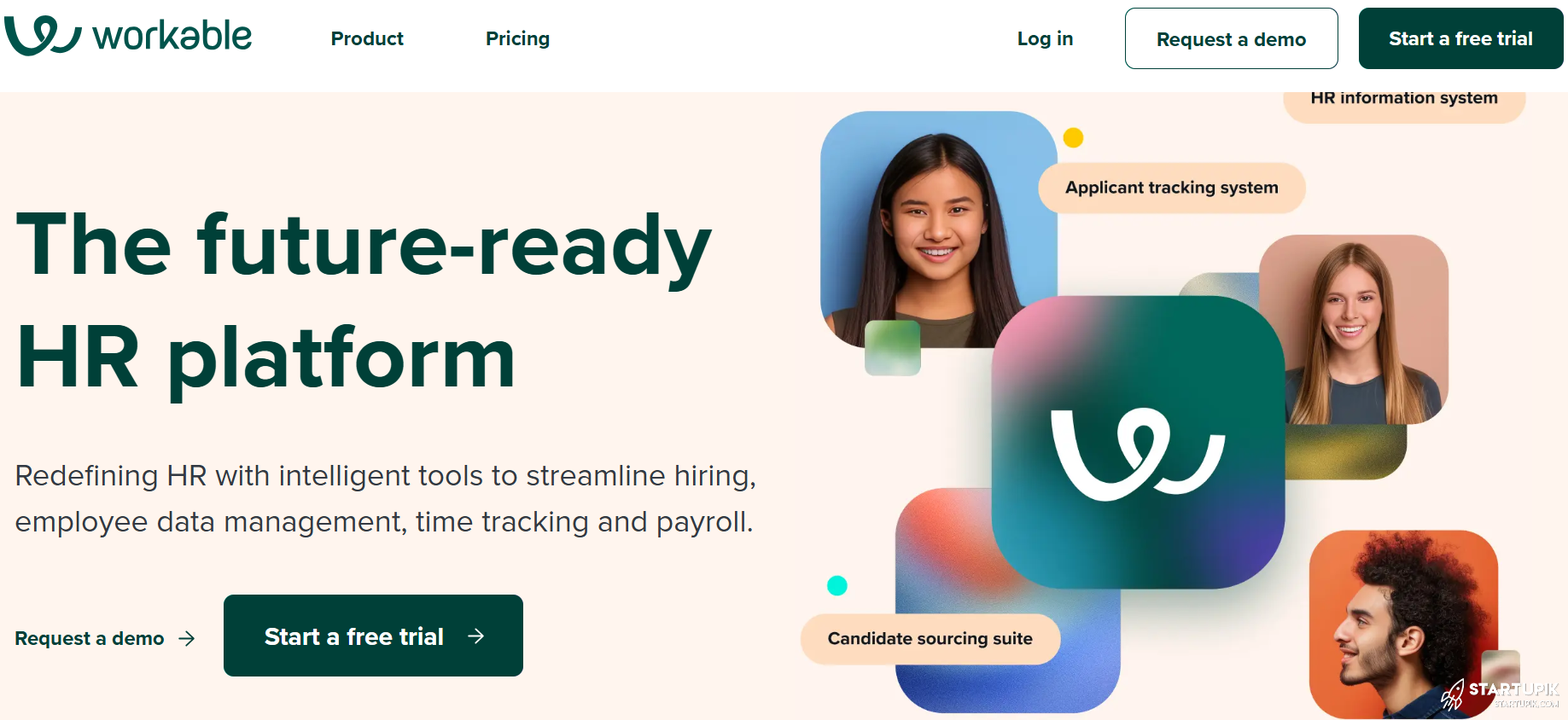
Workable functions as a comprehensive hiring system that supports every stage of the recruitment lifecycle. This section introduces the platform as a cloud based environment designed to streamline tasks such as sourcing, filtering, interviewing, and reporting. Startups often lack dedicated HR personnel in their early stages, which makes workable particularly valuable for teams that need structure but cannot invest in full time hiring departments. With workable, businesses gain access to a clean interface and intuitive controls that allow even first time recruiters to manage complex hiring operations effectively. The platform centralizes all candidate information in one place, enabling teams to collaborate and make informed decisions more easily.
Applicant Tracking Capabilities
Applicant tracking is one of the primary features that have contributed to the popularity of workable. This section explains how the platform captures candidate information, organizes resumes, and shows real time updates on the status of every applicant. Startups can review hundreds of profiles without losing track of where candidates stand within the hiring funnel. Workable ensures that each application moves through predefined stages, offering clarity and reducing the chance of overlooking qualified individuals. By using workable for applicant tracking, startups gain more control over their pipeline and can make strategic decisions with greater confidence.
Advanced Search and Filtering Tools
Workable provides advanced search functionalities that simplify the process of identifying candidates with specific qualifications. This section explores how startups can filter applicants based on areas such as work experience, location, language skills, or technical expertise. The ability to customize search queries helps businesses match candidates to the precise needs of each role. These tools also allow founders to build long term talent pools that can support future growth. The data driven structure of workable makes it easier to analyze and compare large sets of applicants, ensuring that hiring decisions remain consistent and objective.
Candidate Profile Review Features
This paragraph explains how workable consolidates candidate profiles into clear and organized dashboards. Startups can access resumes, portfolios, and professional histories in a unified environment. The platform allows hiring teams to leave notes, tag candidates, and evaluate multiple applicants simultaneously. By having access to structured review features, companies can reduce bias and maintain a fair assessment process. The collaborative structure of workable ensures that all stakeholders can contribute to evaluations without duplicating efforts or losing important information.
Interview Scheduling and Coordination
Interview scheduling is often one of the most complicated aspects of hiring due to time conflicts and communication delays. This section examines how workable simplifies scheduling through automated calendar integration and reminder functions. Startups can coordinate interviews across different time zones, assign interviewer roles, and organize multiple sessions with minimal effort. By using workable to manage interviews, businesses reduce the chance of miscommunication and present a more professional experience for candidates. Efficient scheduling also accelerates the hiring cycle, allowing companies to onboard critical talent sooner.
Automation Functions and Workflow Efficiency
Automation plays a major role in helping startups streamline their hiring operations. This paragraph discusses how workable incorporates automation into tasks such as resume screening, email notifications, stage transitions, and follow up communication. These features reduce the administrative burden on founders and hiring managers, ensuring that recruitment activities remain consistent and timely. Automation within workable not only improves the speed of execution but also maintains standardized workflows that enhance organizational professionalism.
Data Analytics and Reporting Tools
Data driven decision making is essential for improving hiring outcomes. This section explores how workable generates detailed reports on applicant volume, hiring speed, source performance, and team activity. Startups can analyze their recruitment metrics to identify bottlenecks and refine strategies. With reliable analytics, companies can optimize their job postings, improve their selection criteria, and adjust their overall hiring plan. Workable makes these insights accessible through visual dashboards and downloadable reports.
Flexible Pricing Structure
Understanding the pricing model of workable helps startups make informed decisions about long term adoption. This paragraph reviews the general pricing categories available to businesses. Workable offers trial access for teams that want to explore the system before committing to a full plan. Additional options include pay per hire models, starter tiers, and advanced enterprise packages. Flexibility in pricing ensures that companies of all sizes can use workable without excessive financial pressure. The affordability of the system makes it suitable for early stage businesses that require professional hiring tools.
Integration With Other Tools
This section explains how workable integrates with various external platforms. Startups can connect workable to HR management systems, communication tools, background check services, and productivity applications. These integrations create a seamless organizational workflow that spans recruitment, onboarding, and daily operations. By linking workable to other tools, businesses improve their internal processes and reduce duplication of effort.
Scalability for Growing Startups
A scalable hiring system becomes increasingly important as startups expand. This section describes how workable adapts to higher applicant volumes, additional departments, and multi role recruitment pipelines. The design of workable supports both early stage and rapidly growing companies, offering consistent performance regardless of organizational size. The platform provides long term value by ensuring that hiring processes remain structured and reliable even as complexity increases.
Enhancing Candidate Experience Through Organized Workflows
Candidate experience can influence how applicants perceive your startup and whether they choose to accept job offers. This paragraph discusses how workable helps improve communication, transparency, and response time. Clear updates, organized interviews, and structured evaluations ensure that candidates remain engaged and informed. Startups benefit from positive reputation building when they use workable to handle recruitment professionally.
Using Workable for Global and Remote Hiring
This section examines how workable supports remote teams and international hiring initiatives. Startups expanding globally can leverage location filters, flexible scheduling tools, and multilingual communication features. Workable provides an effective infrastructure for managing cross border recruitment and building geographically distributed teams. Its unified platform ensures that global hiring remains consistent and manageable.
Compliance and Secure Data Management
Hiring involves significant amounts of sensitive data. This section explains how workable incorporates security measures to protect candidate information. By adhering to global data protection standards, workable helps startups remain compliant with international regulations. Secure storage, controlled access, and encrypted communication ensure that applicant information remains confidential.
Internal Link for Tool Resources
Startups looking for additional professional tools can explore more platforms in the tools section. This reference helps founders access a broader range of digital solutions that support business management.
Advanced Introduction to Modern Recruitment Optimization
Startups today must navigate an environment defined by global competition, limited resources, and rapidly evolving workforce expectations. Recruiting skilled professionals is no longer a simple administrative task but a strategic priority that requires both precision and adaptability. The second part of this article focuses on advanced recruitment management concepts and demonstrates how modern platforms support scalable decision making. By understanding sophisticated methods such as competency based hiring, multichannel sourcing, structured evaluations, and automated selection workflows, founders can build recruitment systems that support long term organizational growth. Although various digital platforms assist companies in this process, the overall goal of this section is to explain the deeper frameworks and strategies that strengthen hiring performance, including the role that workable and other hiring systems may play.
Foundations of Strategic Hiring Models
Modern hiring requires more than reviewing resumes. Strategic recruitment uses structured models that identify the core competencies necessary for long term success within a role. These competencies include problem solving, adaptability, communication strength, team compatibility, and industry specific knowledge. A foundational model helps define expectations before the hiring process begins. This ensures that every screening stage evaluates candidates against the same performance criteria. As startups mature, these models become even more important because they create consistency across departments. Digital platforms such as workable assist in maintaining these standards, but the underlying methodology is what produces reliable results.
Competency Based Hiring and Its Importance
Competency based hiring focuses on evaluating how candidates think, collaborate, and execute tasks rather than relying purely on job titles or years of experience. This model emphasizes behavioral indicators that align with the organization’s culture. Startups benefit from this approach because early employees often play multiple roles and must adapt quickly. Competency based hiring also supports long term retention because it identifies individuals who not only can perform tasks but also evolve with the company’s mission. Systems like workable can organize competency evaluations, but the methodology itself must be applied by hiring teams with clarity and discipline.
Building a Multichannel Talent Pipeline
A strong recruitment strategy requires exposure to candidates across multiple channels. Relying on a single job board limits diversity and reduces the likelihood of attracting exceptional talent. A multichannel pipeline includes job boards, referral programs, academic networks, social platforms, industry communities, and targeted outreach. Startups that construct diverse pipelines increase the probability of identifying candidates who can meet their unique needs. A platform like workable helps consolidate applications from different channels, but the value lies in the startup’s ability to build a wide network that feeds consistent talent into the hiring system.
Structured Screening Methods for Higher Accuracy
Screening candidates is one of the most time consuming parts of recruitment, and accuracy can decline if evaluations are rushed. A structured screening framework ensures fairness and objectivity. This includes resume filters, qualification matrices, behavioral questionnaires, and skill based assessments. Founders should use uniform criteria for all candidates to avoid bias and maintain professional standards. Tools such as workable can support screening automation, but the rules and guidelines must be defined by the startup itself. The clearer the criteria, the more effective the filtering process becomes.
Advanced Interview Frameworks for Startups
Interviews represent the most critical stage of hiring because they determine cultural compatibility and practical ability. Startups must adopt interview frameworks that enhance consistency and provide measurable insights. These include structured interviews, situational interviews, problem solving sessions, collaborative tasks, and technical assessments. A well defined interview structure ensures that all candidates are evaluated fairly and thoroughly. Digital platforms help coordinate scheduling and documentation, yet the interview methodology remains the most important factor. Workable can store interview notes and ensure organization, but hiring teams must maintain discipline in applying their chosen frameworks.
Building Cross Department Collaboration in Hiring
Recruitment is not the responsibility of one person or one team. High performing startups adopt a collaborative hiring approach where multiple departments contribute insights. Cross functional feedback ensures that candidates are evaluated from several perspectives. Each team member focuses on different aspects such as cultural alignment, technical skill, communication strength, or adaptability. This collaboration reduces the risk of hiring individuals who may excel in one area but struggle in others. Platforms like workable make collaboration easier by centralizing notes, feedback, and evaluation data.
The Role of Employer Branding in Attracting Talent
Employer branding affects the type and quality of candidates attracted to the startup. Professionals seek work environments that offer clarity, purpose, stability, and growth potential. A strong employer brand communicates these values consistently across all communication channels. This includes job descriptions, website content, social media presence, and candidate communication. The better the branding, the more high quality applicants the company will attract. Recruitment platforms reflect employer branding through job posts and candidate touchpoints. When combined with tools like workable, employer branding becomes more organized and easier to manage.
Optimizing Job Descriptions for Targeted Impact
Job descriptions are often underestimated, yet they serve as the first point of communication with potential candidates. A high quality job description must articulate responsibilities, required skills, expected outcomes, and cultural expectations. It should be clear, concise, and aligned with long term organizational goals. A well written description increases the likelihood of receiving applications from qualified individuals. Platforms such as workable allow startups to publish job descriptions across multiple channels quickly, but the effectiveness depends entirely on the clarity and accuracy of the content itself.
Data Driven Decision Making in Recruitment
Recruitment analytics help startups identify trends, evaluate performance, and improve hiring outcomes. Metrics such as time to hire, applicant volume, conversion rates, interview success percentage, and team engagement reveal operational strengths and weaknesses. Data driven strategies allow companies to adjust job posts, refine evaluation criteria, and streamline communication processes. While tools like workable support reporting, the analytical mindset of the hiring team is the primary factor that shapes effective decision making. By using data effectively, founders ensure that recruitment becomes both measurable and strategic.
Long Term Workforce Planning for Startups
Hiring is not only about filling immediate vacancies. Startups must plan for future growth, scaling needs, and evolving skill requirements. Workforce planning models help identify upcoming gaps and ensure that recruitment remains proactive rather than reactive. These models consider product roadmaps, operational forecasts, funding projections, and market trends. A digital system like workable helps maintain talent pools and manage candidate pipelines, but the long term planning strategy must come from leadership foresight.
Remote and Hybrid Workforces in Modern Startups
Remote and hybrid work models allow startups to access global talent but require structured recruitment systems. This section examines how companies can build geographically distributed teams while maintaining cohesion and communication. Time zone coordination, digital collaboration tools, online evaluations, and remote onboarding must be considered. Platforms such as workable assist with communication and organization, yet startups must design internal policies that support remote work culture effectively.
Candidate Experience and Its Strategic Implications
A positive candidate experience increases acceptance rates, enhances employer branding, and builds trust. Candidates who feel respected and informed throughout the process are more likely to join the company and recommend it to others. Transparent communication, timely feedback, and well organized interviews create a strong impression. Digital hiring platforms help sustain structured communication, and workable can support these processes, but the commitment to professionalism must come from the hiring team itself.
Ethical Recruitment and Fair Hiring Standards
Ethical hiring protects candidate rights and maintains the company’s reputation. Fairness, transparency, and confidentiality are essential in every recruitment process. Startups must avoid discrimination, maintain clear documentation, and follow legal guidelines. Platforms like workable offer secure environments for data management, but the responsibility for ethical conduct lies with the organization. Developing internal ethical guidelines helps ensure compliance with global standards.
The Increasing Value of AI and Automation in Recruitment
Artificial intelligence now plays a significant role in modern recruitment, assisting with resume parsing, candidate ranking, behavioral analysis, and communication workflows. These technologies allow startups to accelerate decision making while reducing administrative workload. Although AI tools increase convenience, human judgment remains crucial for final decisions. The combination of structured documentation, organized workflows, and platforms such as workable ensures that automation supports accuracy without replacing essential human insight.
Future Direction of Startup Hiring Systems
Recruitment systems will continue to evolve as workforce expectations change. The future of hiring includes predictive analytics, deeper AI integration, skill based testing automation, advanced collaboration tools, and personalized candidate communication. Startups must adopt adaptable systems that grow with their organization. Workable and similar platforms represent the early stage of this technological evolution, but future recruitment strategies will require even more advanced digital ecosystems.
Final Comprehensive Conclusion
Startups must approach hiring as a strategic function that influences long term growth and operational success. Modern recruitment requires structure, clarity, and thoughtful decision making. By adopting advanced frameworks such as competency based hiring, structured interviews, multichannel sourcing, and data driven analysis, founders can create hiring systems that support sustainable expansion. Digital platforms, including workable, contribute to workflow organization, but the ultimate effectiveness of recruitment depends on planning, collaboration, and ethical standards. Startups that master these principles will attract stronger talent, maintain long term retention, and build teams capable of driving the organization forward.