






































Sales operations in 2026 have entered a new era shaped by AI-driven analytics, automated workflows, multichannel customer interactions, and highly data-centric sales processes. In this environment, customer relationship management platforms have become essential for any organization that aims to scale efficiently. This Teamgate CRM Review examines the platform’s evolution within this new landscape and analyzes its relevance for startups, SMEs, and modern sales teams that require high automation and strong predictive intelligence.
Teamgate initially emerged as a straightforward sales CRM, but recent updates have moved the product into a broader AI-powered system that integrates data intelligence, forecasting, and automated pipeline management. This review provides a structured, analytical assessment of the platform’s key features, pricing, integrations, and strategic use cases relevant for 2026.
What Is Teamgate CRM?
Teamgate is a cloud-based CRM designed to support sales teams through a unified environment that combines lead management, pipeline tracking, communication tools, reporting, and AI-enhanced insights. The platform focuses on simplicity, usability, and increasingly on automation. Its new architecture incorporates predictive intelligence powered by machine learning models, enabling teams to identify high-probability leads, optimize follow-ups, and remove manual workload from sales representatives.
For startups that need a practical and scalable CRM with a low learning curve, Teamgate provides an accessible entry point while still offering advanced capabilities. In 2026, Teamgate has positioned itself as a competitive alternative to more complex platforms such as HubSpot, Pipedrive, and Zoho, by offering balanced automation without overwhelming configuration requirements.
Core Features of Teamgate (Updated for 2026)
Lead and Contact Management
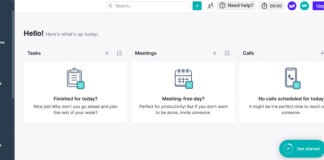
Teamgate enables teams to manage leads through structured stages, enriched profiles, and centralized data records. Information such as communication history, notes, contact attributes, and qualification status are organized into a unified dashboard.
Sales Pipeline Visualization
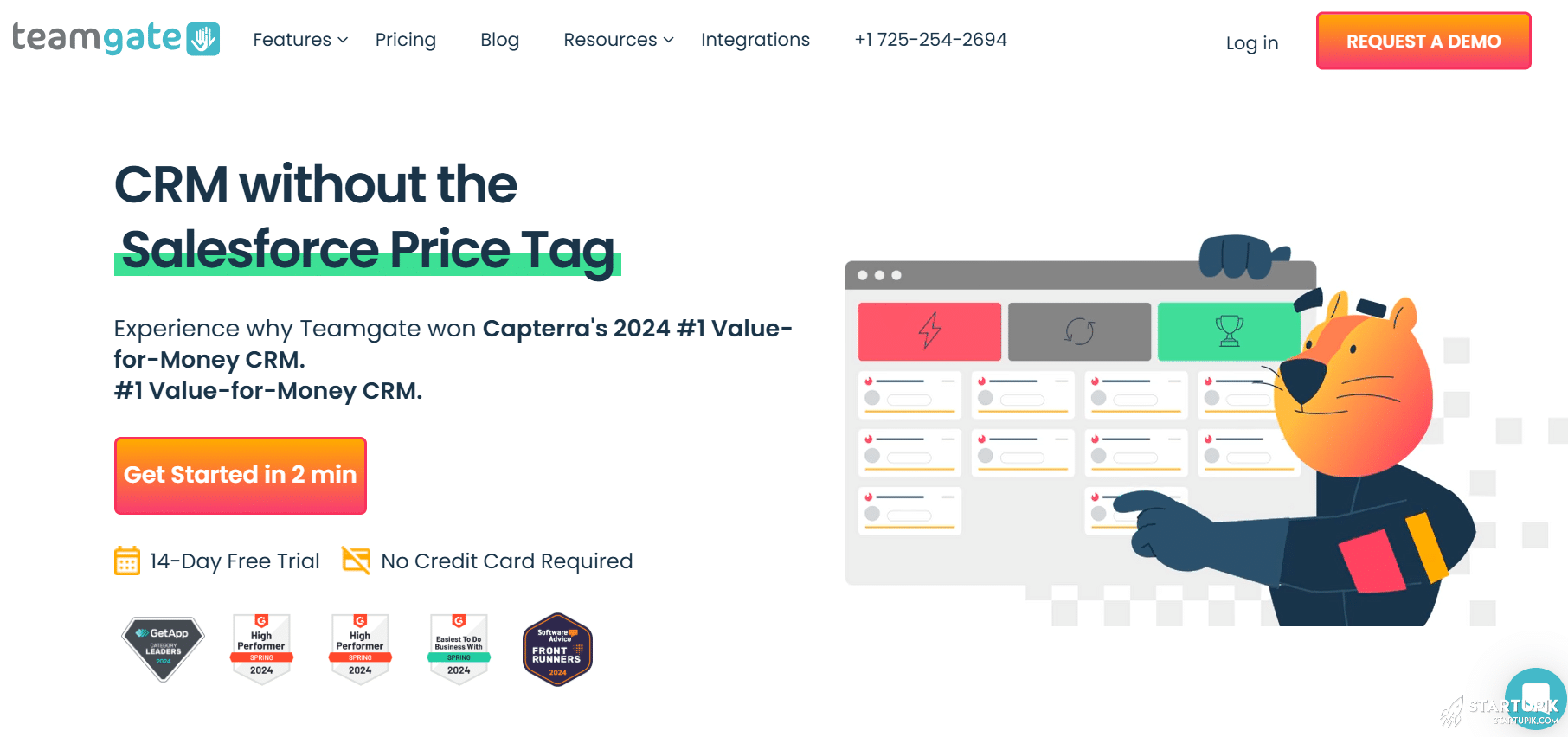
The platform provides a kanban-style pipeline that simplifies opportunity tracking. Teams can customize stages, assign ownership, and monitor each opportunity’s progress in real time.
Communication Hub
Teamgate integrates email, phone logging, scheduling, and activity tracking into a consolidated workspace. This ensures consistent communication and supports multichannel sales engagement.
Document Storage and Templates
Users can upload and store sales materials, proposals, and templates. The structure supports standardized documentation and allows for faster outreach.
AI and Predictive Intelligence
One of the most significant updates in the 2026 version is the expansion of AI-powered features. The platform now employs predictive analytics to support decision-making and streamline the sales lifecycle.
AI Lead Scoring
Machine-learning models evaluate recent interactions, behavioral patterns, and historical conversion data to score leads. This helps teams prioritize the leads most likely to convert.
Predictive Forecasting
AI-driven forecasting models analyze deal velocity, historical wins, pipeline health, and team performance. This allows managers to identify gaps early and plan resource allocation more accurately.
Automated Recommendations
The system suggests next actions based on previous interactions and customer behavior. Recommendations include sending a follow-up email, scheduling a call, or adjusting the deal stage.
Duplicate Detection and Data Cleanup
AI identifies duplicate contacts, incomplete records, and inconsistent data, helping teams maintain accurate CRM health.
Comparison with Competitors
Compared to larger platforms, Teamgate’s AI engine is lighter but more accessible for smaller teams. It provides core predictive capabilities without requiring advanced setup or additional technical resources.
Sales Automation Features
Workflow Automation
Teams can build automated workflows for follow-ups, reminders, qualification tasks, and lead assignment. Automation rules reduce repetitive manual work and help maintain consistent communication patterns.
Automated Email Sequences
Sales representatives can configure multi-step email sequences to nurture leads throughout the pipeline. Emails can be triggered by specific events such as link clicks, stage changes, or inactivity.
Task Automation
Routine tasks such as updating deal stages, logging calls, and arranging follow-ups can be executed automatically, enabling teams to focus on relationship-building rather than administrative tasks.
Qualification Automation
The platform supports conditional logic to automatically qualify or disqualify leads based on predefined criteria such as revenue, location, fit, or engagement metrics.
Integrations and Ecosystem (2026)
Teamgate’s ecosystem continues to develop, focusing on practical integrations that support daily operations. Key integrations in 2026 include:
Communication and Productivity Tools
-
Google Workspace
-
Slack
-
Microsoft Outlook
-
Telephony services for call logging
Automation Platforms
-
Zapier
-
Make.com
These integrations expand the automation capabilities and allow non-technical teams to design workflows that connect Teamgate with other business systems.
Marketing and Lead Generation Tools
The platform integrates with form builders, landing page tools, and marketing automation software, making it suitable for high-volume inbound teams.
API Improvements
Recent API updates provide more flexibility for developers to build custom applications and integrate CRM data with internal dashboards or analytics platforms.
Pricing and Plans (Updated for 2026)
Teamgate’s pricing remains competitive compared to major CRM providers. Plans typically include three tiers:
Starter Plan
Suitable for small teams that require basic contact management and pipeline visibility.
Professional Plan
Includes automation, forecasting, and reporting. Most scaling startups select this tier due to its balance between functionality and affordability.
Enterprise Plan
Designed for larger teams needing advanced automation, deeper integrations, and premium support.
Compared to competitors in the same category, Teamgate’s pricing provides strong value for teams that need AI-supported functionality without the premium cost associated with enterprise-grade platforms.
Best Use Cases
B2B SaaS Startups
The platform’s automation and AI scoring tools help SaaS companies prioritize high-value leads and shorten the sales cycle.
Agencies
Marketing and creative agencies benefit from pipeline visibility and follow-up automation.
SMEs With Active Sales Teams
Small and medium-sized businesses that require structured sales operations benefit from the platform’s ease of setup.
E-Commerce Teams
Teams managing high lead volumes can use automation to categorize and qualify leads efficiently.
Remote Sales Teams
Unified communication and real-time tracking assist distributed teams in maintaining operational consistency.
Pros and Cons
Pros
-
User-friendly interface suitable for non-technical teams
-
Strong automation features
-
Predictive lead scoring
-
Integration ecosystem continues to expand
-
Competitive pricing
-
Structured pipeline and communication management
Cons
-
Fewer native integrations compared to larger CRM providers
-
Limited customization options for enterprise-level workflows
-
Reporting features are strong but not as advanced as premium CRM platforms
Comparison Table: Teamgate vs HubSpot vs Pipedrive (2026)
| Feature Category | Teamgate | HubSpot CRM | Pipedrive |
|---|---|---|---|
| AI Lead Scoring | Yes | Advanced | Limited |
| Workflow Automation | Yes | Extensive | Moderate |
| Pricing | Affordable | Higher | Mid-range |
| Ease of Use | Very Easy | Moderate | Easy |
| Integrations | Growing | Extensive | Strong |
| Forecasting | AI-Enhanced | Advanced | Basic |
| Ideal For | Startups and SMEs | Enterprises, scale-ups | SMB sales teams |
Who Should Use Teamgate?
Teamgate is an optimal choice for organizations that need a balance between usability and intelligent automation. Startups, SMEs, and SaaS companies benefit the most from its accessible interface and AI-powered insights. Teams seeking a complex enterprise-grade CRM with deep customization may find platforms such as HubSpot or Zoho more suitable, but for users who want fast deployment and practical automation, Teamgate delivers strong operational value.
To discover more in-depth reviews, expert analyses, and curated recommendations of leading SaaS products, visit the full collection of resources available in the Startupik Tools section.
Conclusion
This Teamgate CRM Review highlights the platform’s evolution into an AI-powered, automation-focused system designed to support modern sales operations. Its predictive scoring, automated workflows, communication tools, and competitive pricing structure position it as a valuable solution for startups and SMEs in 2026. While not as feature-heavy as enterprise-level CRMs, its balance of functionality and simplicity makes it a compelling choice for companies seeking scalable and efficient sales management.
By integrating practical automation, predictive intelligence, and an expanding ecosystem of integrations, Teamgate remains an effective CRM option for organizations looking to enhance sales performance without increasing operational complexity. For businesses pursuing clear visibility, structured processes, and AI-driven insight, Teamgate offers a strong foundation for sustainable growth.