





































Developer tools are dominating crypto funding because investors now prefer picks-and-shovels businesses over speculative consumer tokens. In 2026, capital is moving toward infrastructure that helps teams build wallets, rollups, data pipelines, compliance layers, security systems, and on-chain applications faster. The shift is driven by clearer revenue models, repeat developer demand, and lower dependence on short-term token hype.
Quick Answer
- Crypto funding is shifting toward developer infrastructure because B2B tools monetize faster than consumer Web3 apps.
- Investors prefer products with usage-based revenue such as RPC, indexing, wallets-as-a-service, observability, and security tooling.
- The strongest startups sit inside the crypto development stack around chains like Ethereum, Solana, Base, Arbitrum, and Cosmos.
- Developer tools benefit from ecosystem growth even when retail user activity is weak.
- Funding follows pain points including data reliability, cross-chain complexity, smart contract security, and compliance.
- This trend works best for teams solving recurring infrastructure problems, not for tools built around narrow token cycles.
Why This Is Happening Right Now
Right now, crypto investors are more disciplined than they were in earlier market cycles. They still want exposure to blockchain growth, but many no longer want business models that depend entirely on token price appreciation.
That is why developer tooling is attractive. If a startup sells APIs, node access, wallet infrastructure, smart contract testing tools, or blockchain analytics, it can charge customers in a predictable way. That looks closer to Stripe, Twilio, Datadog, or Vercel than to a speculative token launch.
In 2026, this matters even more because the crypto stack has become more complex:
- More L2s and appchains
- More cross-chain messaging
- Higher security expectations
- More institutional and enterprise interest
- Stronger compliance pressure
Complexity creates infrastructure demand. Infrastructure demand creates fundable startups.
What “Developer Tools” Means in Crypto
In crypto, developer tools are not just code editors or SDKs. They are the systems that reduce friction for teams shipping blockchain-based applications.
Common categories getting funded
- RPC and node infrastructure such as Alchemy, QuickNode, Infura, Chainstack
- Indexing and data access such as The Graph, Goldsky, Dune APIs, Covalent
- Wallet infrastructure such as Privy, Dynamic, Turnkey, Web3Auth
- Smart contract development using Foundry, Hardhat, Tenderly, OpenZeppelin
- Security tooling such as audit platforms, monitoring, simulation, key management, MEV protection
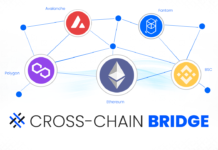
- Cross-chain and interoperability tooling like LayerZero, Wormhole, Hyperlane integrations
- Compliance and risk infrastructure including on-chain monitoring, wallet screening, and transaction intelligence
- Payments and stablecoin rails APIs for USDC, on/off-ramps, account abstraction, embedded finance flows
These tools solve operational bottlenecks. That makes them easier to sell than abstract “Web3 engagement” products.
Why Investors Prefer Developer Tools Over Many Crypto Apps
1. Revenue is easier to understand
A developer platform can charge per API call, per active wallet, per deployment, per seat, or by enterprise contract. That is easier to underwrite than a token-based app with unclear user retention.
When this works: infrastructure is tied to recurring workflows, such as wallet creation, node access, or transaction monitoring.
When it fails: the startup offers a free SDK with no strong monetization path and hopes usage will convert later.
2. Demand exists before mainstream adoption
Consumer crypto adoption can be cyclical. Developer demand often appears earlier. Teams still need to build, test, monitor, and secure products even in quieter markets.
This makes infra companies more resilient. They can grow with protocol teams, exchanges, fintech apps, wallets, and enterprise blockchain initiatives.
3. Infrastructure captures value across ecosystems
A consumer dApp usually wins inside one category. A developer platform can support many chains and many customer types at once.
For example, a startup providing wallet orchestration, key management, or blockchain observability can serve:
- DeFi teams
- NFT infrastructure
- gaming studios
- stablecoin payment apps
- fintech companies testing on-chain rails
That diversification makes the company less exposed to one narrative collapsing.
4. The best tools become hard to replace
Once a team integrates an RPC provider, wallet infrastructure layer, transaction simulation engine, or data indexing pipeline, switching is painful. There are engineering costs, uptime risks, and security implications.
This creates stickiness.
Trade-off: if the tool sits too low in the stack and becomes commoditized, pricing pressure increases quickly. Basic node access is more vulnerable to this than workflow-critical tooling.
Where Funding Is Concentrating in the Crypto Developer Stack
| Category | Why Investors Like It | Main Risk | Best Fit Customer |
|---|---|---|---|
| RPC / Node Infrastructure | Recurring usage revenue and broad demand across chains | Commoditization and cloud margin pressure | Wallets, dApps, protocol teams |
| Wallet Infrastructure | High switching costs and strong enterprise need | Security incidents can destroy trust fast | Consumer apps, fintech, gaming |
| Data / Indexing | Every on-chain product needs queryable data | Chain fragmentation and expensive support burden | Analytics, DeFi, compliance, research |
| Security / Monitoring | Security spend rises as TVL and compliance pressure rise | Long enterprise sales cycles | Protocols, custodians, institutions |
| Cross-chain Tooling | Multi-chain apps need simpler integration paths | Bridge risk and ecosystem dependency | Protocols, wallets, appchains |
| Compliance Infrastructure | Institutional adoption requires monitoring and controls | Regulatory changes can shift buying priorities | Exchanges, fintech, stablecoin apps |
| Stablecoin / Payments APIs | Clear business case tied to real transactions | Regulatory and banking dependencies | Fintech, remittance, B2B payments |
Why This Funding Trend Matters More in 2026
The market is not just funding “crypto tools.” It is funding the software layer behind on-chain finance, embedded wallets, tokenized assets, and stablecoin payments.
Recently, more founders have moved away from pure token consumer bets and toward infrastructure that supports:
- account abstraction
- embedded wallets
- institutional custody workflows
- real-world asset tokenization
- stablecoin settlement
- cross-chain application development
That shift matters because these are not isolated crypto-native experiments anymore. They connect to fintech, payments, compliance, and enterprise software.
What Makes a Crypto Developer Tool Fundable
Not every infrastructure startup is venture-backable. Investors are looking for specific characteristics.
Signals that usually help
- A painful workflow problem that engineers already spend money to solve
- Fast integration value within days, not months
- Usage growth tied to customer success
- Multi-chain or ecosystem relevance without being chain-tourist infrastructure
- Security credibility through architecture, audits, and operational maturity
- A wedge product that can expand into broader platform revenue
Signals that often hurt
- Tooling built for a short-lived narrative
- No clear buyer between developer, CTO, protocol, and ops team
- Heavy open-source adoption with weak monetization
- Dependence on one chain grant program
- Feature set that cloud providers can copy easily
Real Startup Scenarios: When This Works vs When It Fails
Scenario 1: Wallet infrastructure startup
A team builds embedded wallet infrastructure for gaming and fintech apps. It offers SDKs, policy controls, key management, passkey login, and transaction signing.
Why it works: customers want to remove seed phrase friction and own user experience. The product saves months of engineering work.
Why it can fail: if the startup sells only “wallet creation” and not the surrounding orchestration, policy engine, recovery, and compliance hooks, it becomes replaceable.
Scenario 2: Cross-chain dev platform
A startup makes it easier to move assets and messages between Ethereum, Solana, and app-specific chains.
Why it works: multi-chain builders need abstraction. A good product reduces integration complexity and support burden.
Why it can fail: if the startup relies too heavily on one bridge partner or one ecosystem narrative, demand drops when that ecosystem slows down.
Scenario 3: On-chain data API company
The team offers indexed blockchain data, historical balances, wallet activity, token events, and analytics APIs.
Why it works: every serious crypto app needs reliable data. Fast queries and good documentation create strong developer retention.
Why it can fail: if data quality is inconsistent across chains, developers lose trust quickly. In infrastructure, one bad result can kill adoption.
The Trade-Offs Founders Should Not Ignore
Developer tooling is attractive, but it is not easy money.
1. Sales can be slow
Enterprise infrastructure deals take time. Security review, architecture review, procurement, and legal approval slow down growth.
2. Reliability expectations are brutal
A consumer app can survive some rough edges. Core infrastructure cannot. If uptime fails during volatile market periods, customers churn fast.
3. Open source changes pricing dynamics
Many crypto developers expect open-source access. That helps adoption, but it can reduce pricing power unless the company adds hosted reliability, monitoring, enterprise controls, or compliance features.
4. Ecosystem concentration is dangerous
If most revenue comes from one chain, one L2, or one token ecosystem, the business is more fragile than it looks.
Expert Insight: Ali Hajimohamadi
Most founders think “developer tools” means broad utility. That is usually wrong. The best crypto infra companies win by owning a high-cost failure point, not by being generally useful. If your product breaks, does the customer lose revenue, uptime, security, or compliance posture? If not, investors will see it as a nice-to-have SDK. A strategic rule I use: fund the bottleneck, not the abstraction layer. In crypto, abstractions get copied; operational choke points become categories.
How Founders Should Position a Crypto Developer Tool to Investors
Founders often pitch infrastructure too technically. Investors do need technical depth, but they also need a clear value capture story.
Better positioning framework
- What breaks without your product?
- Who pays for that pain today?
- Why is this problem becoming bigger in 2026?
- Why is your solution sticky?
- What expands revenue after the initial wedge?
A strong answer might sound like this:
- “We reduce embedded wallet launch time from 4 months to 2 weeks.”
- “Our customers are fintech and gaming teams shipping consumer wallets.”
- “As account abstraction and stablecoin apps grow, demand increases.”
- “We own policy controls, recovery, transaction orchestration, and analytics.”
- “We expand from wallet infra into authorization, fraud controls, and treasury flows.”
That is stronger than saying, “We are building a better Web3 SDK.”
What Investors Are Really Looking For
Behind the headline trend, investors are screening for a few practical questions.
- Can this become a default layer in the developer workflow?
- Does adoption compound as the crypto ecosystem grows?
- Can the company survive a weak token market?
- Is there enterprise-grade trust?
- Will customers still need this if narratives change?
If the answer is yes, funding gets easier.
If the startup depends on one chain incentive program, one airdrop cycle, or one token launch mechanic, investors become cautious fast.
Who Should Build in This Category
This market is best for teams with deep technical and ecosystem understanding.
Good fit
- Former protocol engineers
- DevOps or infra founders
- Security engineers
- Teams with direct experience scaling wallets, exchanges, or on-chain apps
- Founders who already know a painful workflow from firsthand use
Bad fit
- Teams chasing “AI for Web3” or “SDK for everything” without a clear buyer
- Founders with no differentiated access to developer demand
- Projects trying to mask weak product-market fit with a token story
Frequently Asked Questions
Why are crypto investors funding infrastructure instead of consumer apps?
Infrastructure has clearer revenue models, stronger retention, and less dependence on retail speculation. It also benefits from ecosystem growth even when end-user adoption is uneven.
What are the most attractive crypto developer tool categories right now?
Wallet infrastructure, security tooling, compliance layers, on-chain data APIs, cross-chain tooling, and stablecoin payments infrastructure are attracting strong interest in 2026.
Are RPC and node businesses still good startup opportunities?
Yes, but mostly when paired with differentiated features such as observability, reliability, simulation, multi-chain orchestration, or enterprise controls. Basic access alone is increasingly commoditized.
Do developer tools need a token to raise funding?
No. In fact, many investors prefer pure software or infrastructure businesses without token dependency. Tokens can add complexity around regulation, incentives, and value capture.
What is the biggest risk for crypto developer tool startups?
The biggest risks are commoditization, chain dependency, weak monetization, and trust failure from outages or security incidents.
Can open-source crypto tools become venture-scale companies?
Yes, but usually through hosted infrastructure, enterprise support, security features, compliance controls, or managed services. Open source helps adoption, but monetization must be designed deliberately.
How should founders validate demand before fundraising?
Talk to teams already shipping on-chain products. Look for repeated workflow pain, long setup times, reliability problems, and manual operational workarounds. If engineers already built internal tools for the problem, that is a strong signal.
Final Summary
Developer tools are dominating crypto funding because they solve recurring, expensive problems inside the blockchain product stack. Investors now favor infrastructure with clear customers, usage-based revenue, and relevance across wallets, protocols, stablecoin apps, exchanges, and fintech systems.
This trend is strongest in categories like wallet infrastructure, security, compliance, data indexing, and cross-chain tooling. But the winners will not be broad “Web3 platforms” with vague value. They will be products that sit at real failure points in the workflow.
For founders, the strategic takeaway is simple: if your tool removes a critical bottleneck and becomes hard to replace, funding interest follows. If it only adds convenience, the market will treat it like a feature, not a company.



