




















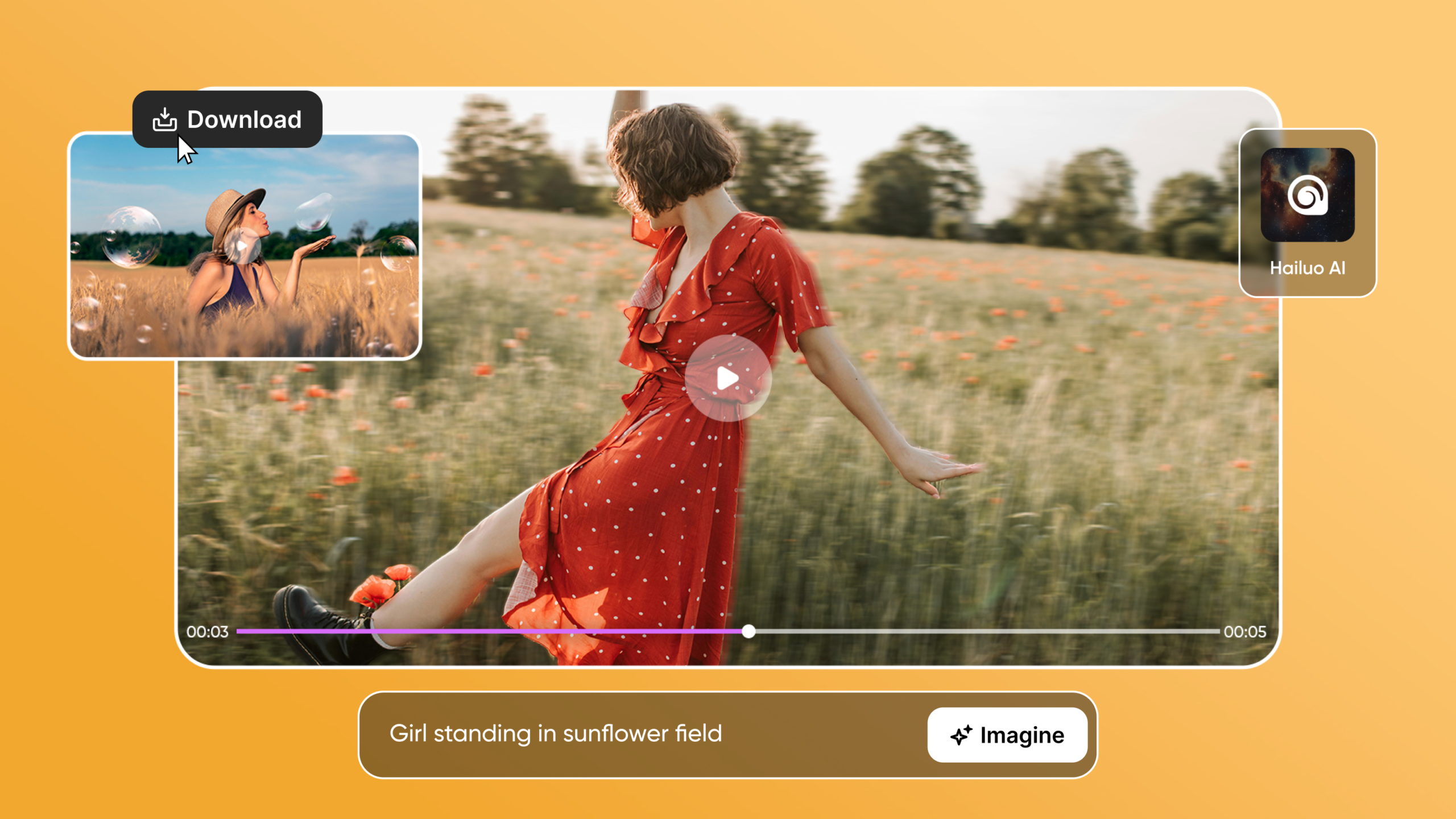
AI video generation changed fast in 2026. What looked like a gimmick a year ago is suddenly replacing parts of ad production, training content, faceless YouTube workflows, and even product demos right now.
The catch: most tools still look impressive in demos and frustrating in real work. After testing the leading options, a few stand out for speed, consistency, editing control, and actual business use.
Quick Answer
- Runway is one of the best all-around AI video generators in 2026 for marketers, creators, and teams that need strong text-to-video and editing workflows in one place.
- Pika is a top pick for short-form social content, fast concept videos, and stylized motion outputs where speed matters more than deep scene control.
- Synthesia remains one of the best tools for AI avatar videos, training, internal communications, and multilingual business content.
- HeyGen is strong for talking-head videos, sales outreach, localization, and avatar-based content with relatively low production effort.
- Luma AI Dream Machine stands out for cinematic motion and visual quality, but results can still vary when prompts require precise storytelling.
- Descript is not the best pure text-to-video generator, but it is one of the best AI-powered video creation tools for editing, repurposing, and podcast-to-video workflows.
What AI Video Generators Are in 2026
AI video generators turn prompts, scripts, images, or recorded clips into finished video content. Some focus on cinematic scene generation. Others focus on avatars, editing, dubbing, captions, or turning documents into presentations.
That difference matters. A brand making product explainers does not need the same tool as a creator making surreal short films or a B2B team localizing sales videos into six languages.
In 2026, the category is no longer one market. It has split into three practical groups:
- Generative video tools for scenes, motion, B-roll, and creative storytelling
- Avatar video platforms for presenters, training, and business communication
- AI-assisted editors for repurposing, cleanup, dubbing, and production speed
Why It’s Trending in 2026
The hype is not only about better visuals. The real driver is economics.
Companies realized they do not need studio-level production for every use case. A product walkthrough, onboarding module, localized ad variation, or FAQ video often needs clarity and speed more than cinematic perfection.
Three things pushed adoption hard this year:
- Content volume pressure: teams need more video for ads, landing pages, support, and social
- Localization demand: global brands now want one video turned into ten markets fast
- Short shelf life: many campaigns expire in days, so high production cost no longer makes sense
That is why AI video tools are winning. Not because they replace filmmakers completely, but because they make low-to-mid complexity video production financially realistic at scale.
Where the hype fails is narrative precision. If you need exact continuity, subtle brand emotion, legal accuracy, or complex human interaction, many AI video tools still break down.
Best AI Video Generators in 2026 (Tested Tools)
| Tool | Best For | Main Strength | Main Limitation |
|---|---|---|---|
| Runway | All-around generative video | Strong balance of generation and editing | Prompt consistency still varies across scenes |
| Pika | Short social clips | Fast output and creator-friendly workflow | Less ideal for structured long-form storytelling |
| Synthesia | Training and business videos | Reliable avatar-based production at scale | Visual style can feel corporate if overused |
| HeyGen | Sales, outreach, localization | Avatars, translation, and talking-head efficiency | Not built for cinematic scene generation |
| Luma AI Dream Machine | Creative visuals | Strong motion aesthetics and cinematic feel | Harder to control exact outcomes |
| Descript | Editing and repurposing | Script-based editing and workflow speed | Not a full creative scene generator |
| CapCut | Fast social editing | Templates, captions, and quick mobile-first output | Less strategic for premium brand production |
1. Runway
Best for: creators, agencies, and in-house teams that want one platform for generation and editing.
Runway stays near the top because it is not only a text-to-video tool. It also helps with background removal, image-to-video, motion edits, and post-production tasks in one workflow.
Why it works: the value is not just output quality. It reduces tool switching. That matters when a team needs to ideate, generate, revise, and publish quickly.
When it works best: ad concepts, visual prototypes, product teasers, abstract B-roll, and creative campaigns where perfect continuity is not required.
When it fails: long narrative sequences with specific character consistency or exact branded scenes.
2. Pika
Best for: short-form creators, meme formats, social experiments, and fast visual storytelling.
Pika remains popular because it makes AI video feel accessible. You can move from idea to clip quickly, which is exactly what creators need on trend-driven platforms.
Why it works: speed beats perfection in short-form content. If a trend lasts 48 hours, a tool that is 80% polished but 5x faster often wins.
When it works best: TikTok-style videos, visual hooks, transitions, stylized clips, and rapid testing of creative ideas.
When it fails: client work that demands consistent scene logic, stronger brand control, or more polished storytelling.
3. Synthesia
Best for: corporate learning, onboarding, internal communication, compliance, and multilingual training videos.
Synthesia is still one of the clearest examples of where AI video already delivers real ROI. Companies are not using it because avatars are exciting. They use it because filming every training update is slow and expensive.
Why it works: script changes are easier than reshoots. That is critical for policy updates, product documentation, and HR content.
Real example: a SaaS company updating onboarding for five regions can create one core script, localize it, and publish versions without booking talent or studio time.
When it fails: high-emotion brand storytelling or executive videos where authenticity matters more than efficiency.
4. HeyGen
Best for: sales teams, marketers, customer success, and businesses creating avatar-led communication.
HeyGen is strong where personalization and localization matter. It is especially effective for teams making explainers, outreach videos, and translated content with minimal production overhead.
Why it works: many businesses do not need a cinematic ad. They need a clear human-like presenter that can scale across languages and use cases.
When it works best: outbound campaigns, support libraries, simple promos, and translated video content.
Trade-off: if too many brands use similar avatar styles, videos start to feel interchangeable.
5. Luma AI Dream Machine
Best for: visually ambitious creators, concept artists, and marketers testing high-impact motion ideas.
Luma AI impressed many users because motion quality often feels more dynamic and cinematic than older AI video tools. It is particularly good for atmosphere and visual energy.
Why it works: it can create clips that look emotionally larger than the prompt itself, which helps for trailers, teaser content, and mood-driven visuals.
When it fails: exact product representation, precise scene sequencing, and factual business videos where detail accuracy matters.
6. Descript
Best for: podcasters, educators, content teams, and anyone repurposing spoken content into video.
Descript earns a place on this list because many businesses do not start from zero. They already have webinars, podcasts, interviews, and internal recordings. Descript helps turn those into edited video faster.
Why it works: text-based editing is practical. Removing filler words, adding captions, generating clips, and restructuring content becomes much easier for non-editors.
When it works best: thought leadership, tutorials, webinar snippets, and podcast-to-video workflows.
When it fails: fully original cinematic generation or highly stylized visual storytelling.
7. CapCut
Best for: fast social production, creators, and lightweight brand editing workflows.
CapCut is not always mentioned in premium AI video discussions, but in real content operations it matters. It helps teams move quickly with templates, captions, effects, and social-friendly editing.
Why it works: distribution matters as much as generation. A tool that helps publish quickly often beats a more advanced tool with slower output.
Limitation: brands wanting a distinctive premium identity may outgrow template-heavy workflows.
Real Use Cases
Performance marketing
Growth teams use AI video generators to test multiple ad angles fast. Instead of filming five versions of the same concept, they generate hooks, motion variations, and localized versions in hours.
This works when testing message-market fit. It fails when the ad depends on realistic product interaction or highly polished brand trust signals.
Training and onboarding
HR and L&D teams use avatar tools to create repeatable training modules. The biggest advantage is update speed. If a compliance policy changes, the script can be revised without a full production cycle.
This works for process clarity. It is weaker for leadership communication where viewers expect a real executive presence.
Faceless YouTube channels
Creators use AI visuals, voiceovers, and editors to produce explainers, history clips, finance breakdowns, and niche news content. The model works best when script quality is high and visuals support the narrative rather than trying to carry it.
The failure point is sameness. Channels relying on generic AI visuals often lose retention fast.
Sales enablement
Teams create personalized intros, product walkthroughs, and multilingual demos. AI helps when speed and customization matter more than production polish.
For enterprise deals, though, a real tailored human video still tends to outperform generic AI-generated outreach.
E-commerce product content
Brands use AI video for product teasers, UGC-style variations, and social clips. This is effective for testing creative concepts before spending on full production.
It is risky when the AI output misrepresents product details, texture, or fit.
Pros & Strengths
- Lower production cost for repeatable content
- Faster testing of ad concepts, hooks, and variations
- Better localization across languages and markets
- Less dependence on studios for simple business videos
- Useful for non-experts who need acceptable output fast
- Efficient content repurposing from podcasts, webinars, and scripts
Limitations & Concerns
- Consistency is still a major issue. Characters, objects, and scene logic can drift between clips.
- Brand sameness is rising. Many AI videos look visually similar, which weakens differentiation.
- Control is limited. The more specific the vision, the more frustrating prompt-based workflows can become.
- Authenticity trade-off. Avatar videos save time, but audiences can sense when a message should have come from a real person.
- Legal and ethical risk. Likeness, voice cloning, copyright, and disclosure remain active concerns.
- Editing time does not disappear. AI often shifts work from shooting to fixing.
The biggest mistake in 2026 is assuming AI video eliminates production judgment. It does not. It rewards teams that know what can be automated and what still needs human direction.
Comparison and Alternatives
If your main goal is creative scene generation, Runway, Pika, and Luma AI are usually stronger options than avatar-first platforms.
If your main goal is business communication, Synthesia and HeyGen are more practical than cinematic generators.
If your main goal is editing existing content, Descript and CapCut may create more real value than starting with text-to-video tools.
| Need | Best Fit | Avoid If |
|---|---|---|
| Cinematic AI visuals | Runway, Luma AI, Pika | You need exact scene continuity |
| Training and onboarding | Synthesia, HeyGen | You need emotional brand storytelling |
| Repurposing spoken content | Descript | You need original visual world-building |
| Fast social editing | CapCut, Pika | You need premium custom brand aesthetics |
Should You Use It?
You should use AI video generators if:
- You publish high volumes of video content
- You need multilingual or localized content quickly
- You are testing ads, hooks, or educational formats
- You want faster production without full studio dependency
You should avoid relying on them too heavily if:
- Your brand depends on premium visual distinction
- You need exact factual or product accuracy
- Your message requires trust, nuance, or human credibility
- You assume AI output will be final without review
The smartest approach in 2026 is hybrid. Use AI for speed, variation, localization, and pre-production. Use humans for strategy, narrative, brand taste, and anything high-stakes.
FAQ
What is the best AI video generator in 2026?
For broad use, Runway is one of the strongest all-around options. For business avatars, Synthesia and HeyGen are better fits.
Which AI video tool is best for YouTube automation?
Descript, Pika, and Runway are useful depending on the workflow. Script quality and editing still matter more than the generator alone.
Are AI video generators good enough for professional marketing?
Yes, for testing, localization, product explainers, and lower-cost campaigns. Not always for flagship brand campaigns where precision and originality are critical.
Which AI video generator is best for training videos?
Synthesia is one of the top choices for structured training, onboarding, and internal education content.
Can AI video generators replace video editors?
No. They reduce manual work, but human review is still needed for pacing, accuracy, brand alignment, and final quality control.
What is the biggest weakness of AI video tools right now?
Consistency. Many tools still struggle with maintaining the same character, object, or scene logic across multiple shots.
Are free AI video generators worth using?
For testing and learning, yes. For client work or business production, paid plans usually offer better output quality, rights clarity, and workflow control.
Expert Insight: Ali Hajimohamadi
Most businesses are asking the wrong question. They ask, “Which AI video tool is best?” when they should ask, “Which part of our video workflow is still overpriced?”
That shift changes everything. The winner is not always the tool with the best demo reel. It is the tool that removes the most expensive bottleneck in your team.
In practice, AI video creates the biggest leverage in versioning, localization, and repeatable education content. Not in replacing high-trust storytelling.
Brands that treat AI video as a shortcut to “cinematic” will blend in. Brands that treat it as a speed layer on top of sharp strategy will pull ahead.
Final Thoughts
- Runway is one of the best all-around AI video generators in 2026.
- Synthesia and HeyGen lead for avatars, training, and business communication.
- Pika and Luma AI are stronger for fast creative experimentation and visual style.
- Descript is a practical winner for editing and repurposing existing content.
- The biggest value of AI video is speed, scale, and localization, not perfect storytelling.
- The biggest risk is generic output and weak brand differentiation.
- The best strategy is hybrid production: AI for efficiency, humans for taste and trust.




