Backlog accounting sounds technical, but it’s really about one thing: cleaning up financial records that haven’t been properly maintained. Whether you’ve let your books slide for a few months or years, this is a real problem many business owners face. skrooge.ai helps companies fix these issues, but first, you need to understand what you’re dealing with.
What backlog accounting actually means
Backlog accounting is the process of organizing and recording all unprofessional or unrecorded financial transactions from a previous period. This happens when expenses haven’t been logged, invoices sit in a pile, receipts are missing, or bank statements don’t match your records. The gap grows wider over time, making it harder to know your true financial position.
Think of it like a messy desk that’s been ignored for months. You still have all the papers—receipts, invoices, statements—but they’re scattered everywhere. Professional backlog accounting services to reconstruct your books involve sorting through everything, matching transactions to dates, and entering them into proper accounting systems.
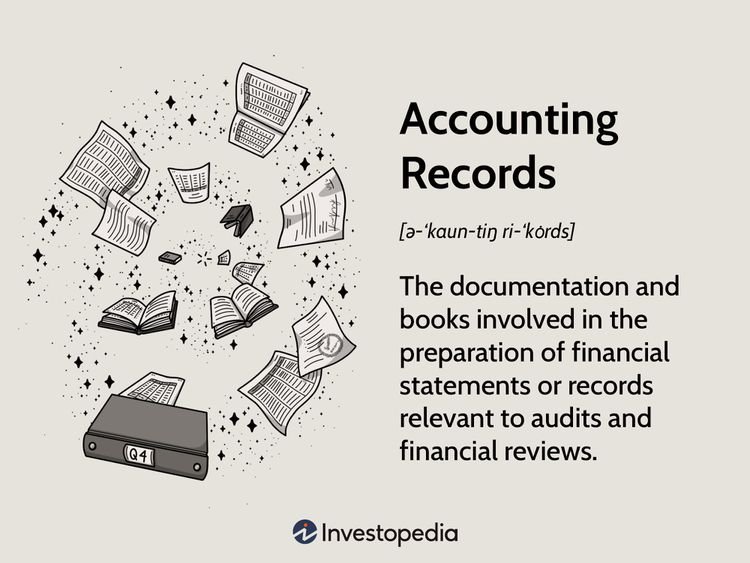
Common situations that create backlogs include rapid business growth (you got busy and tracking slipped), ownership changes, staff turnover, moving between accounting systems, or simply not having the right processes in place. Some business owners inherit messy books when buying an existing company. Others struggle because their accounting software wasn’t set up correctly.
When you need professional help
You don’t necessarily need an accountant for minor delays. If you’re a week or two behind, you can probably catch up yourself. But if your backlog stretches beyond three months, it’s time to think about getting help. The longer you wait, the harder it becomes.
There are several red flags. If you can’t answer basic questions like “What did we spend last quarter?” or “Are we profitable?”—that’s a problem. If you’re missing bank reconciliations or your records don’t match your bank statements, that’s another one. If you’re worried about compliance or audit readiness, that’s definitely a sign.
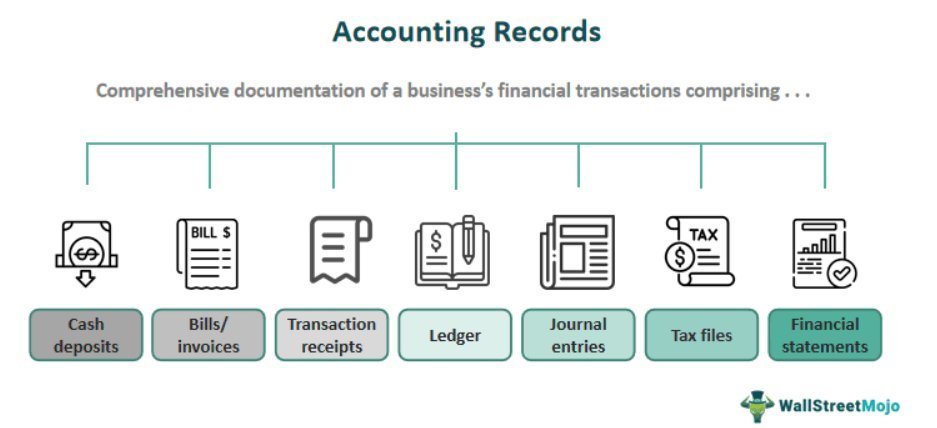
Tax deadlines make this urgent. The UAE tax authority at https://www.tax.gov.ae/ requires businesses to maintain accurate financial records. If you miss filing deadlines because your books are incomplete, you face penalties. VAT-registered businesses have even stricter requirements, with monthly or quarterly returns due regardless of how messy your backlog is.
The cost of waiting
Every day your accounting backlog sits, you lose visibility into your business. You might be missing profit opportunities or overspending without realizing it. You also increase the risk of compliance issues and penalties.
Professional backlog accounting takes time, but it gives you a clean slate. You’ll know where your money actually went, you’ll be audit-ready, and your business will be properly documented for tax purposes. The investment in fixing it now saves headaches and money down the road.
If your financial records are lagging and you’re not sure where to start, that’s exactly when you should reach out for help.