




















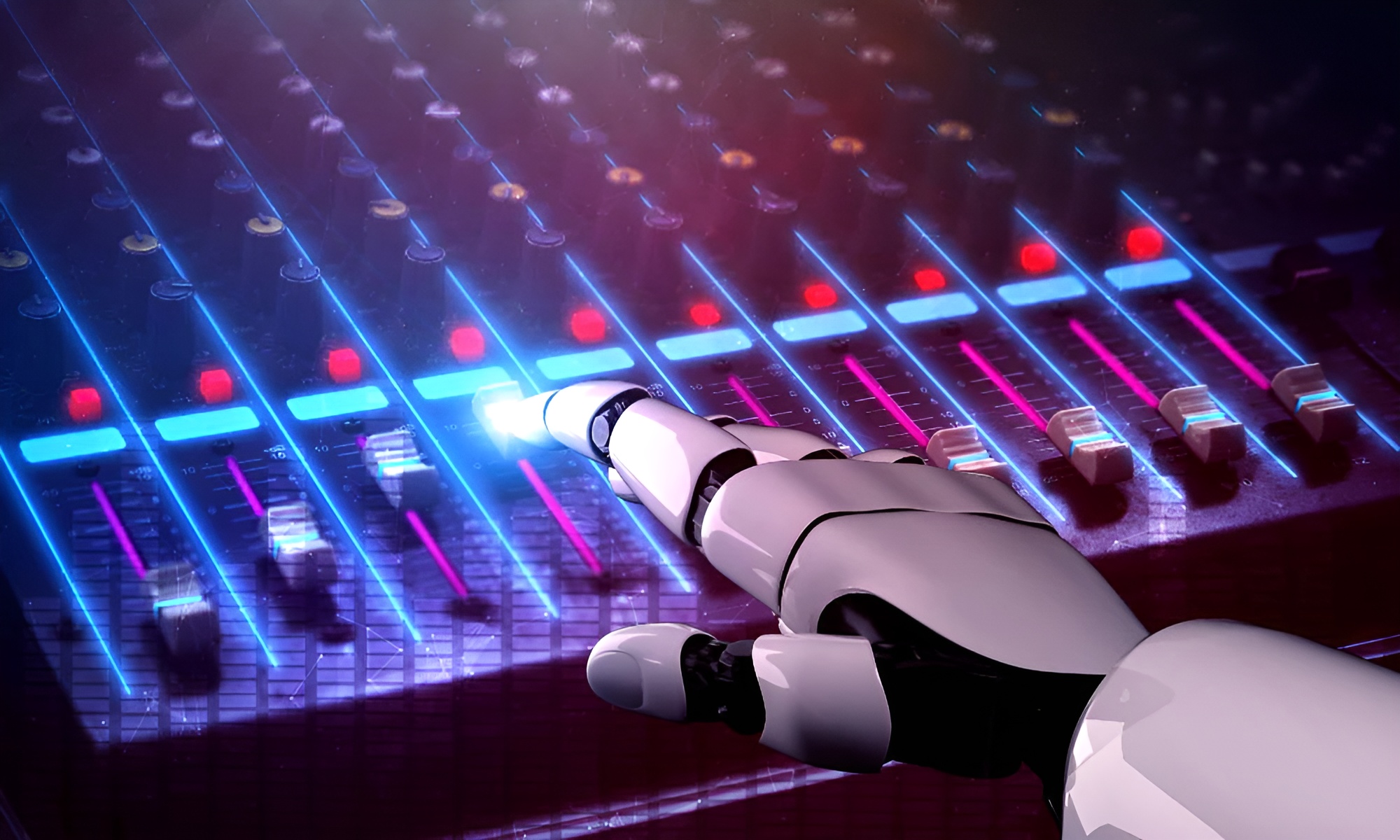
AI music generation changed fast, and in 2026 the gap between “fun demo” and “commercial-grade tool” is suddenly real. What went viral as a novelty is now being used for YouTube channels, indie game soundtracks, ad creatives, and even rapid demo production inside real music workflows.
But most lists still blur everything together. They treat text-to-song apps, instrumental generators, stem tools, and pro composition platforms like they solve the same problem. They do not.
Quick Answer
- Suno is one of the best all-around AI music generators in 2026 for fast song creation with vocals, lyrics, and strong prompt-to-output speed.
- Udio stands out for more controllable song structure, style detail, and higher-quality musical output in many vocal-driven tracks.
- AIVA is better for cinematic, orchestral, and score-style composition than viral song generation.
- Soundraw fits creators who need royalty-friendly background music for videos, ads, and branded content.
- Boomy works best for beginners who want instant tracks, but it offers less depth for serious production.
- The best choice depends on use case: full songs, content background music, game scoring, or commercial audio workflows require different tools.
What It Is / Core Explanation
An AI music generator is a tool that creates music from prompts, settings, references, or edits. Some generate full songs with vocals. Others focus on instrumentals, mood tracks, stems, mastering, or arrangement help.
The key difference in 2026 is this: the strongest tools no longer just “make music.” They make usable drafts. That matters more than raw novelty.
If you are a creator, marketer, or founder, the question is not whether AI can generate a track. It is whether it can generate a track that fits your format, clears licensing concerns, and saves enough time to justify using it.
Why It’s Trending
The hype is not only about creativity. It is about speed, volume, and economics.
Short-form video exploded demand for custom background music. Brands now need variations for TikTok, Reels, YouTube Shorts, ads, product launches, and localized campaigns. Hiring composers for every variation does not scale.
At the same time, independent creators want original music without copyright risk from stock libraries used by thousands of other channels. AI music solves a real pain: making something fast that feels more custom than generic library audio.
Another reason it is trending right now: quality crossed an important threshold. In 2024, many AI tracks felt gimmicky. In 2026, the top tools can produce surprisingly coherent hooks, genre mimicry, and emotional structure, especially for demos and content production.
But there is a catch. The better these tools get, the more obvious the strategic divide becomes between content music and artist music. AI is strongest where speed matters more than identity.
Best AI Music Generators in 2026: Real Comparison
| Tool | Best For | Main Strength | Where It Struggles | Best User Type |
|---|---|---|---|---|
| Suno | Full songs with vocals | Fast prompt-to-song workflow | Can feel formulaic across repeated generations | Creators, marketers, demo makers |
| Udio | High-quality vocal tracks | Better style nuance and song feel | Output consistency still varies by prompt quality | Artists, advanced hobbyists, producers |
| AIVA | Cinematic and orchestral music | Structured composition support | Less relevant for viral vocal songs | Game devs, filmmakers, composers |
| Soundraw | Content background music | Commercial utility and customization | Less distinctive for artist-first releases | YouTubers, agencies, brands |
| Boomy | Instant beginner music creation | Very low learning curve | Limited depth and polish for serious projects | Beginners, casual creators |
| Mubert | Streams, apps, ambient loops | Scalable generative background audio | Less suited for memorable song-driven output | Developers, streamers, product teams |
Real Use Cases
YouTube and Short-Form Video
A solo creator publishing five videos a week does not need a Grammy-level soundtrack. They need fast, safe, mood-matched music that will not trigger copyright headaches. Tools like Soundraw and Mubert work well here because the music supports the content instead of competing with it.
Ad Creatives and Product Marketing
A startup launching a new app may need 20 ad variations in different tones: upbeat, sleek, emotional, urgent. AI music helps generate multiple audio directions in hours instead of waiting days for custom production. This works best when the track is part of a performance marketing system, not the emotional center of the campaign.
Song Demos for Artists
An indie singer-songwriter can use Suno or Udio to test lyrical ideas, song structure, and genre direction before entering a studio. This is where AI adds leverage. It reduces the cost of exploring bad ideas early.
It fails when artists expect the generated output to replace the entire craft layer of performance, arrangement, and originality. The draft may be impressive. The final record still needs taste.
Game Development and Film Scoring
Small studios often need atmospheric tracks for menus, exploration loops, tension cues, or emotional scenes. AIVA is stronger in this area because it aligns better with composition-driven needs than viral song generation tools.
Internal Prototyping
Agencies and creative teams are now using AI music to pitch concepts internally. Instead of saying “imagine a darker electronic build,” they can present a near-fit track in the meeting. That shortens decision cycles.
Pros & Strengths
- Speed: You can move from idea to usable draft in minutes.
- Volume: Easy to generate multiple versions for testing.
- Lower production cost: Useful for creators and teams with limited budgets.
- Creative exploration: Helps test genres, moods, and structures early.
- Content scalability: Strong fit for video, ads, social, and app audio.
- Accessibility: Non-musicians can now create acceptable audio faster than ever.
Limitations & Concerns
This is where most “best tools” articles get lazy. AI music has real constraints.
- Originality risk: Many outputs feel polished but interchangeable. Good enough is not the same as memorable.
- Prompt dependency: Better results usually require precise genre, structure, mood, and instrumentation guidance.
- Licensing complexity: Commercial rights vary by plan and platform. You need to read the terms, not assume.
- Weak identity: If you are building an artist brand, overusing AI-generated music can flatten your uniqueness.
- Inconsistent vocals: Some outputs still break on pronunciation, phrasing, emotional realism, or lyrical coherence.
- Editability limits: Certain tools generate nice top-line results but offer poor control over stems, arrangement, or fine revisions.
The biggest trade-off is simple: the fastest tools usually reduce control. If you need music that sounds exactly right, not just roughly right, traditional production or hybrid workflows still win.
Comparison or Alternatives
Suno vs Udio
Suno is often better when you want speed and instant full-song generation. Udio tends to appeal more to users who care about nuance, style shaping, and getting closer to a track they might actually keep refining.
If your goal is viral content, Suno is often enough. If your goal is a stronger musical result, Udio may be the better starting point.
AIVA vs Soundraw
AIVA is composition-first. Soundraw is content-first.
Choose AIVA when the music needs to follow scene emotion, pacing, or cinematic logic. Choose Soundraw when you need practical background music for repeat business use.
Boomy vs Everyone Else
Boomy is the easiest on-ramp, but it is rarely the final answer for serious creators. It works when speed and simplicity matter more than quality depth.
AI Music Generators vs Stock Music Libraries
Stock libraries still win on consistency and legal clarity in many cases. AI wins when you need uniqueness, iteration, and faster creative variation.
That means AI is not replacing stock across the board. It is replacing the moments when static libraries feel too generic or too crowded.
Should You Use It?
- Use it if: you create frequent video content, test ad campaigns, build prototypes, or need low-cost custom music quickly.
- Use it if: you are an artist who wants to explore demos, rough ideas, or new genre directions before investing more time and money.
- Use it if: you run a startup, agency, or media workflow where turnaround matters more than perfect artistic originality.
- Avoid it if: your music itself is the brand and your value depends on a distinct artistic identity.
- Avoid it if: you need exact arrangement control, highly specific emotional progression, or reliable stem-level editing.
- Use a hybrid workflow if: you want AI for ideation, then human editing, recording, and final production for quality.
For most people in 2026, the smartest move is not “AI only.” It is AI first, human refine.
FAQ
What is the best AI music generator in 2026?
For full-song generation, Suno and Udio are leading choices. For cinematic composition, AIVA is stronger. For creator background music, Soundraw is often the better fit.
Can AI music generators make songs with vocals?
Yes. Tools like Suno and Udio can generate vocal tracks, lyrics, and full song structures. Quality varies by prompt and genre.
Are AI-generated songs safe for commercial use?
Sometimes, but not automatically. Commercial use depends on the platform’s licensing terms, subscription tier, and any restrictions in place at the time you generate the track.
Which AI music tool is best for YouTube creators?
Soundraw is a strong option for practical background music. Suno can work if you want more distinctive song-style audio, but it may be more than you need for standard video production.
Can musicians use AI music without hurting their brand?
Yes, if they use it for ideation, demoing, or experimentation. It becomes risky when the final output sounds generic or disconnected from the artist’s own voice.
Is AI music replacing composers and producers?
No, but it is replacing some low-budget and high-volume production tasks. It is strongest in speed-driven environments, not in deeply original music-making.
What is the biggest weakness of AI music tools right now?
They can create polished tracks quickly, but many still struggle to produce music with a lasting identity, subtle emotional arc, and detailed edit control.
Expert Insight: Ali Hajimohamadi
The market is making one big mistake: it keeps judging AI music by whether it can replace artists. That is the wrong benchmark. The real disruption is in creative operations, not pure artistry.
AI music wins when teams need speed, testing, and endless variation. It loses when the music itself must carry identity, culture, and emotional credibility.
Founders, agencies, and creators who treat AI as a production layer will get value fast. Artists who treat it as a shortcut to originality will usually hit a ceiling.
The advantage in 2026 is not “using AI.” It is knowing exactly where human taste still matters more than generation quality.
Final Thoughts
- Suno and Udio lead for full-song generation, but they serve slightly different creative needs.
- AIVA is a better pick for orchestral, cinematic, and score-driven work.
- Soundraw is one of the most practical options for content creators and commercial media teams.
- AI music is strongest in workflows where speed and variation matter more than deep artistic identity.
- The biggest trade-off is convenience versus control.
- For serious users, hybrid workflows outperform pure AI generation.
- The best tool in 2026 is not the one with the best demo. It is the one that fits your actual production job.




