How Dubai’s Property System Is Evolving Through New Development Models
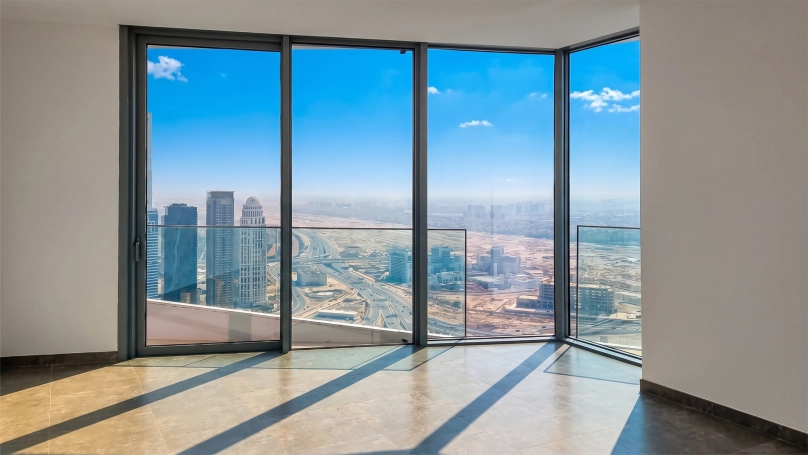
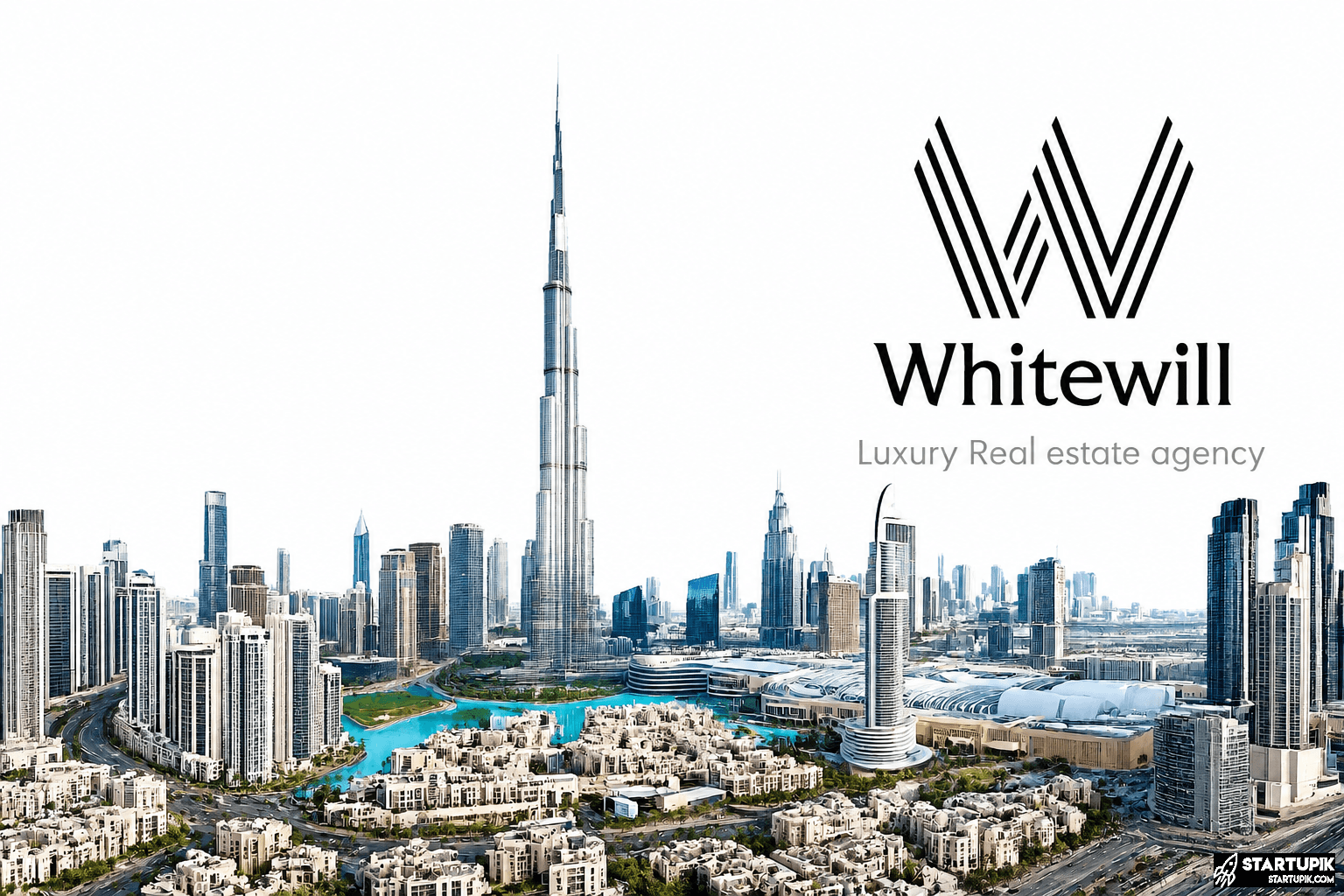
Image source: whitewill.ae
The real estate environment in Dubai is often described through the lens of transformation rather than stability. Instead of following a traditional cycle of gradual growth, the city develops through successive waves of large-scale construction programs that reshape entire districts at once. Within this context, interest in off-plan developments in Dubai has increased, as these projects reflect how future urban zones are being pre-designed and gradually introduced into the city structure.
Rather than functioning as isolated residential units, new projects are increasingly embedded into broader spatial concepts. Each development tends to include its own internal logic: housing blocks, service infrastructure, mobility access points, and leisure zones are planned together rather than added later. This integrated approach changes how residents interact with the built environment.
Processes Driving Structural Change in the Built Environment
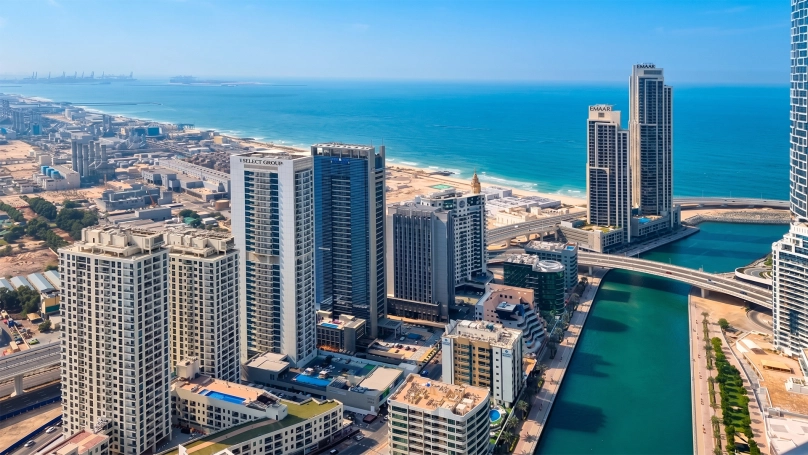
Image source: whitewill.ae
Before examining the main directions of change, it is important to note that development activity in Dubai is strongly influenced by long-term spatial planning rather than short-term housing needs. As a result, new residential areas are often introduced as complete conceptual zones instead of incremental additions.
- Gradual extension of transport systems into newly planned districts.
- Continuous inflow of residents connected to international relocation trends.
- Creation of large integrated districts rather than standalone buildings.
- Use of digital systems for monitoring and managing residential spaces.
- Interdependence between economic activity and housing occupancy levels.
The use of digital tools in housing-related processes has changed how people engage with property selection. Instead of relying solely on physical visits, potential buyers increasingly interact with virtual visualization systems, structured data platforms, and remote evaluation tools. This shift reduces the distance between planning and decision-making stages.
Environmental considerations are also being introduced into construction logic, although their application differs across projects. In some developments, this is expressed through spatial organization and building orientation, while in others it appears through material selection or energy-related design choices. These variations show that ecological principles are still being adapted rather than uniformly applied.
Population movement patterns remain one of the key forces behind residential demand. The city attracts individuals from multiple regions who arrive for professional, entrepreneurial, or long-term relocation purposes. This creates a demand structure that is distributed across different income groups and housing formats.
Overall, the direction of Dubai’s built environment suggests a shift toward pre-designed urban systems where entire districts are planned as functional units. Instead of expanding organically, the city continues to develop through structured design layers that redefine how residential space is organized and experienced.