




















Introduction
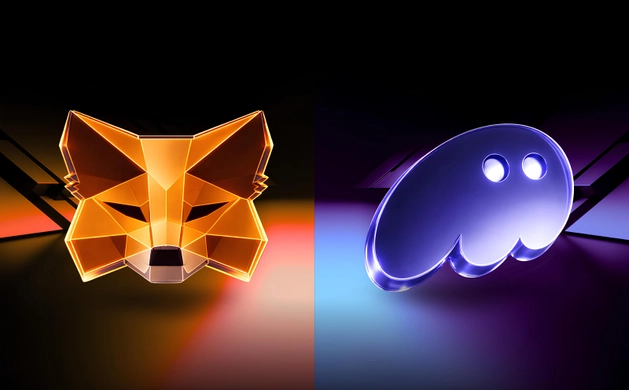
For most users entering crypto, the first real infrastructure decision is not which token to buy or which protocol to use. It is which wallet becomes their operating layer. That is why comparisons like MetaMask vs Phantom attract so much attention. A wallet is no longer just a place to store assets. It is the interface for signing transactions, accessing decentralized applications, managing identities across chains, and participating in token economies.
For startup founders and crypto builders, this comparison matters even more. Wallet choice affects user onboarding, chain compatibility, developer support, transaction flow, security assumptions, and growth strategy. If a Web3 product is built around Ethereum-compatible ecosystems, MetaMask often becomes the default access point. If the product is native to Solana, Phantom is frequently the first wallet users expect. But the decision is not as simple as Ethereum versus Solana. It is about ecosystem fit, user behavior, product architecture, and operational risk.
This article compares MetaMask and Phantom from a practical startup and infrastructure perspective, focusing on how each wallet works, where each excels, and how founders should think about wallet strategy in the broader Web3 stack.
Background
MetaMask began as the standard browser wallet for the Ethereum ecosystem. Over time, it evolved into one of the most widely used self-custody wallets in crypto, supporting Ethereum and other EVM-compatible chains such as BNB Chain, Polygon, Arbitrum, Optimism, Avalanche C-Chain, and many others. Its strategic importance comes from its role as the default gateway to DeFi, NFT marketplaces, DAO tooling, and EVM-based Web3 applications.
Phantom emerged as the leading wallet in the Solana ecosystem. It gained traction because it made Solana easier to use than many earlier wallets, offering a cleaner interface, simpler token management, and a smoother consumer experience. As Solana’s ecosystem matured beyond NFT speculation into DeFi, payments, staking, and consumer applications, Phantom positioned itself as the user-facing wallet layer for that network.
Today, the comparison is more nuanced than before. MetaMask remains deeply associated with EVM ecosystems, while Phantom has expanded beyond Solana and now supports additional chains in some product experiences. Even so, their core market identity remains distinct: MetaMask is infrastructure-heavy and EVM-centric; Phantom is user-experience-led and Solana-native.
How It Works
MetaMask in Practice
MetaMask functions as a self-custody wallet that generates and manages private keys locally for the user. It is commonly used as a browser extension and mobile wallet. When a user visits a decentralized application, that dApp can request wallet connection through standard interfaces such as injected providers and wallet connection protocols. MetaMask then allows the user to review and sign transactions.
In practical terms, MetaMask is tightly integrated with the EVM transaction model. It handles:
- Network selection across EVM chains
- Gas estimation and transaction confirmation
- Token approvals for smart contracts
- Access to swaps, bridges, staking features, and portfolio visibility
Because Ethereum and EVM chains rely heavily on smart contract interactions, MetaMask users often approve token spending, interact with routers, sign messages for authentication, and manage multiple custom networks. For advanced users and builders, this flexibility is valuable. For new users, it can also introduce friction and risk.
Phantom in Practice
Phantom also operates as a self-custody wallet, primarily through browser and mobile experiences. It became popular because it simplified wallet setup and transaction clarity for Solana users. Instead of forcing users into a highly technical flow, Phantom emphasized easy asset display, clean signing prompts, and smoother staking and token interactions.
In the Solana context, Phantom typically manages:
- Token transfers using Solana accounts
- NFT visibility and collection display
- Staking workflows
- dApp connection for DeFi, swaps, gaming, and consumer apps
- Transaction review with clearer user-facing summaries
Solana’s architecture differs significantly from the EVM model. That means transaction patterns, account structures, and user expectations are not the same. Phantom’s product strength is that it translates this complexity into a more approachable interface for users who may not want to understand the underlying technical details.
Real-World Use Cases
DeFi Platforms
MetaMask is dominant in EVM DeFi. Lending protocols, DEXs, liquid staking systems, perpetual futures platforms, and DAO treasuries often assume MetaMask support from day one. If a startup launches on Ethereum, Arbitrum, Base, or Polygon, MetaMask support is usually non-negotiable because users expect it.
Phantom is central to Solana DeFi, especially for trading, staking, liquidity provision, and mobile-friendly consumer DeFi. Solana-native startups often optimize first for Phantom because it aligns with local user behavior and ecosystem expectations.
Crypto Exchanges and Onboarding
Centralized exchanges often integrate wallet-friendly withdrawal flows that assume users are moving funds into MetaMask for EVM assets or Phantom for Solana assets. In practice, this means wallet familiarity affects retention. If users are uncomfortable with the destination wallet, onboarding quality drops.
Web3 Applications
For Web3 consumer products, Phantom often feels more accessible for mainstream users, particularly in mobile and NFT-adjacent experiences. MetaMask remains stronger for professional crypto users, developers, DAO operators, and DeFi power users who need broad chain access and more advanced transaction flexibility.
Blockchain Infrastructure and Token Economies
Token launches, governance systems, staking interfaces, and treasury tools often need wallet compatibility at the infrastructure level. A project issuing governance tokens on an EVM chain will typically optimize for MetaMask compatibility. A consumer token built around Solana’s speed and lower transaction costs may prioritize Phantom to reduce onboarding friction and increase transaction frequency.
Market Context
MetaMask and Phantom sit inside a larger competitive layer of Web3 wallet infrastructure. This category intersects with several key crypto market segments:
- DeFi: Wallets are the execution interface for swaps, lending, staking, and governance.
- Web3 infrastructure: Wallets function as identity and permission layers for decentralized apps.
- Blockchain developer tools: Wallet support influences SDK adoption, QA workflows, and user testing.
- Crypto analytics: On-chain behavior is wallet-linked, making wallets central to retention and attribution analysis.
- Token infrastructure: Wallets are where token utility becomes visible through claims, transfers, staking, and governance participation.
From a market positioning perspective, MetaMask benefits from the scale and maturity of the EVM ecosystem. That includes more chains, more protocol diversity, more established developer tooling, and broader institutional familiarity. Phantom benefits from a more focused and often more polished user experience tied to Solana’s performance-oriented architecture.
This means the choice between them is partly a choice between ecosystem breadth and ecosystem experience design.
Practical Implementation or Strategy
For Startup Founders
If you are building a Web3 startup, wallet strategy should be treated as a product decision, not just a technical integration detail.
- If your product is EVM-native, integrate MetaMask support early and test transaction flows across major EVM chains.
- If your product is Solana-native, optimize for Phantom as a first-class onboarding path.
- If you are multi-chain, avoid presenting all wallet options equally at first. Prioritize the wallet most aligned with your primary users and chain.
- Design transaction prompts, error states, and recovery flows around actual wallet behavior, not abstract blockchain logic.
For Developers
Developers should think beyond wallet connection success. The real implementation challenge is reducing transaction abandonment.
- Test signing requests on desktop and mobile separately.
- Minimize unnecessary approvals and signatures.
- Provide pre-transaction context so users know what they are signing.
- Handle network mismatch, insufficient balance, and rejected transaction errors gracefully.
- Use analytics to identify where users drop off between wallet connection and final confirmation.
For Investors and Operators
Wallet dependency is a strategic signal. If a startup’s retention only works under highly specific wallet conditions, the business may be more fragile than it appears. Strong teams understand the wallet layer as part of acquisition, conversion, and long-term platform defensibility.
Advantages and Limitations
MetaMask Advantages
- Deep integration across Ethereum and EVM ecosystems
- Strong network effects among DeFi users and developers
- Broad dApp compatibility and mature tooling support
- Useful for advanced users managing multiple chains and protocols
MetaMask Limitations
- Can feel complex for new users
- Gas settings, token approvals, and network switching create friction
- High exposure to phishing and malicious contract approval risks
- User experience can be inconsistent across chains and dApps
Phantom Advantages
- Cleaner user experience, especially for Solana-native use cases
- Strong mobile and consumer-friendly design
- Simpler transaction presentation for many users
- Well aligned with Solana’s high-throughput consumer applications
Phantom Limitations
- Historically more ecosystem-concentrated than MetaMask
- Less universal as a default across the full crypto market
- Strategic dependence on Solana ecosystem momentum remains important
- Some advanced multi-chain users may still prefer broader EVM-oriented tooling
The biggest practical distinction is this: MetaMask often wins on ecosystem reach, while Phantom often wins on user experience clarity.
Expert Insight from Ali Hajimohamadi
From a startup strategy perspective, founders should adopt MetaMask when their product depends on EVM liquidity, composability, and distribution. If the startup’s growth depends on integrating with existing DeFi primitives, DAO tooling, stablecoin rails, or cross-chain EVM ecosystems, MetaMask is usually the practical default because the market already understands it.
Founders should adopt Phantom when they are building a product that benefits from Solana’s throughput, lower transaction costs, and more consumer-friendly interaction patterns. This is especially relevant for startups designing products where transaction frequency matters, such as on-chain social experiences, lightweight payments, digital collectibles, or high-volume retail trading interfaces.
Founders should avoid overcommitting to either wallet too early if the product thesis is still unclear. One common mistake in crypto startups is treating chain identity as brand identity before user behavior is validated. A wallet decision should support distribution and usability, not ideology.
For early-stage startups, the strategic advantage of choosing the right wallet layer is lower onboarding friction. In crypto, user acquisition is expensive not only in marketing terms but also in cognitive load. Every extra signature request, failed transaction, or confusing approval step reduces conversion. Wallet alignment can materially improve activation and retention.
A major misconception in the crypto ecosystem is that wallet support alone creates interoperability. In reality, each wallet reflects deeper assumptions about chain architecture, user expectations, and ecosystem norms. Founders who ignore those differences often ship products that are technically compatible but operationally weak.
In the long-term evolution of Web3 infrastructure, wallets will increasingly become identity, authorization, and transaction orchestration layers, not just storage tools. The winning wallet experiences will be the ones that abstract complexity without reducing user control. For startups, that means wallet strategy should be considered part of core product architecture, especially in markets where trust and transaction reliability determine whether users stay or leave.
Key Takeaways
- MetaMask is the leading wallet for Ethereum and EVM-based ecosystems, with broad DeFi and developer support.
- Phantom is the strongest wallet brand in the Solana ecosystem, known for a cleaner and more consumer-friendly experience.
- Founders should choose wallet support based on chain strategy, user behavior, and transaction design, not ecosystem hype.
- MetaMask is better suited for multi-chain EVM infrastructure and advanced DeFi usage.
- Phantom is often better for Solana-native consumer apps and lower-friction onboarding.
- Wallet UX directly affects activation, conversion, and retention in crypto products.
- The future of wallets is broader than custody: they are becoming the interface layer for Web3 identity and execution.
Concept Overview Table
| Category | Primary Use Case | Typical Users | Business Model | Role in the Crypto Ecosystem |
|---|---|---|---|---|
| MetaMask | EVM wallet access for DeFi, NFTs, DAOs, and multi-chain Web3 apps | DeFi users, developers, DAO participants, crypto investors | Wallet services, swaps, infrastructure integrations, ecosystem distribution | Core access layer for Ethereum and EVM-based Web3 infrastructure |
| Phantom | Solana wallet access for trading, staking, NFTs, and consumer dApps | Solana users, retail traders, NFT users, Web3 consumers, developers | Wallet services, swaps, staking access, ecosystem integrations | User-facing gateway to Solana-native applications and token ecosystems |
Useful Links
- MetaMask Official Website
- MetaMask Developer Documentation
- MetaMask GitHub
- Phantom Official Website
- Phantom Help Center
- Solana Developer Documentation
- Solana Developers Portal




