

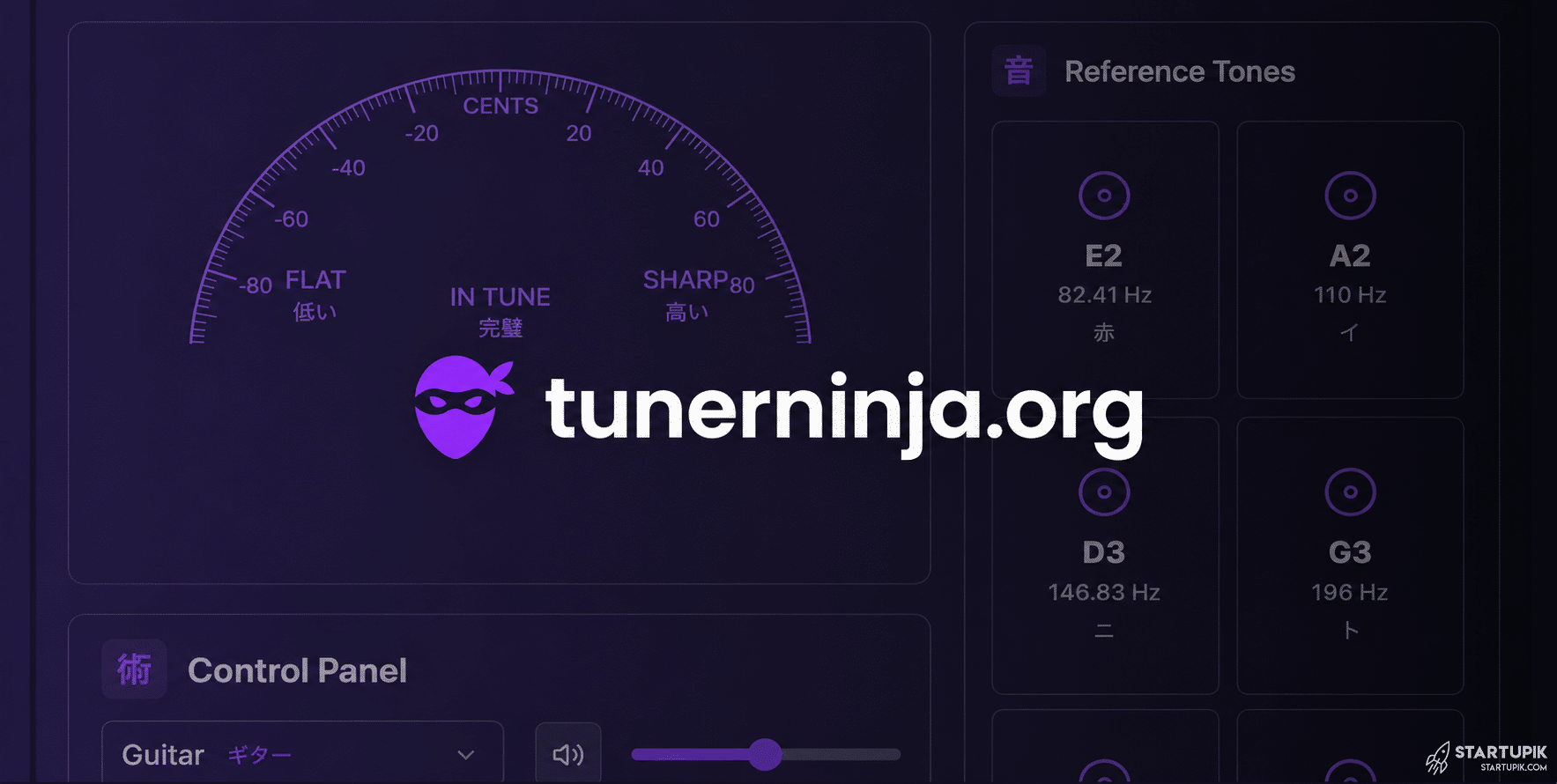
Aligning the acoustic resonance of stringed, brass, or woodwind instruments historically relied on high-cost standalone physical measurement hardware or intensely trained manual human hearing. Working under dense venue environment conditions, backstage noise, or echo-heavy rehearsal rooms frequently prevents accurate string calibration due to structural sound waves disrupting the workspace. The emergence of modern browser-integrated digital signal handling has restructured this technical routine, tracking delicate frequency variables via basic desktop micro-receptors instantly without requiring external code package installations.
The Geometric Math of Real-Time Audio Signal Tracking
To interpret the physical tension updates of a structural guitar wire or violin wire into a clear, scannable orientation layout, specialized web penala tools compute audio input nodes through deep matrix calculations. When a string releases raw sound vibrations, the underlying platform invokes specialized autokorelasi algorithms or fast Fourier transform modifications to parse the incoming data packet.
The processing engine filters out extraneous higher harmonic layers, isolating the foundational frequency note to measure precise hertz values within a fractional millisecond timeframe. Creative performers observe this calculation stream through a highly responsive visual dial layout. A virtual needle matrix or a chromatic note index highlights exactly where the audio pitch lands relative to international concert pitches like the standard A440 benchmark. This graphical path guides fine peg alterations smoothly, keeping the instrument perfectly intonated instead of letting it slip into flat or sharp zones during long performance blocks.
Frictionless Deployment Across Multi-Device Configurations
The strategic utility of a studio texturing routine or technical music system depends directly on how cleanly user interfaces eliminate onboarding friction. A massive number of standard commercial app catalogs demand verified account logs, email routing confirmation screens, or profile setup pages before opening basic pitch checking features. This tracking behavior delays immediate work preparation, interrupts backstage setup flows, and forces unwanted third-party script tracking onto simple local devices.
For independent session tracking bands, orchestral instructors, and home studio producers seeking an immediate calibration assistant, running an agile browser asset like a TunerNinja space provides a highly accessible alternative. The system configures core signal capture models straight through web audio interfaces, executing matrix checks directly inside the local browser thread. This operational structure bypasses standard download steps while protecting user privacy, because the raw receptor arrays never migrate onto cloud storage farms.
Studio Tracking Benefits and Instructional Advantages
Integrating adaptable digital tuning tools yields noticeable production enhancements across commercial album mixing, live track tracking, and classical educational rooms. In professional control rooms, validating that all string registers align with mathematical accuracy before engaging recorders stops severe phase issues from corrupting dense mix folders. This careful precision saves engineers extensive post-production tuning edits, allowing project tracks to retain their natural acoustic details completely.
In academic music settings, visual tuning indicators give beginning students an objective tool to develop physical motor memory and fine-tune internal pitch awareness. Checking a visible indicator as it locks into true center alignment helps musicians map how mechanical string adjustments correlate directly with changing hertz counts. This interactive feedback channel allows students to perfect complex chord formations independently without needing constant, manual teacher direction.
Calibrating Sensor Inputs for Maximum Layout Coherence
The total graphical stability and precision of an automated tuning calculation depend on the quality of your target recording environment. Running your tools in a room filled with heavy background noise, computer fan hum, or hard architectural reflections triggers algorithmic tracking loops, because the processing system struggles to separate primary instrument tones from surrounding noise artifacts. Establishing a quiet room layout with moderate gain limits ensures clean mathematical reading passes.
Controlling physical device spacing also dictates tracking realism. Placing an instrument too close to the capture grill causes immediate signal clipping, distorting the base peak values, whereas moving it too far away leaves the sound waves too faint for proper data extraction. Maintaining mid-range petik intensities produces clean chromatic transitions from deep low bass ranges to high treble registries seamlessly, ensuring an optimized calibration run every single time.


